

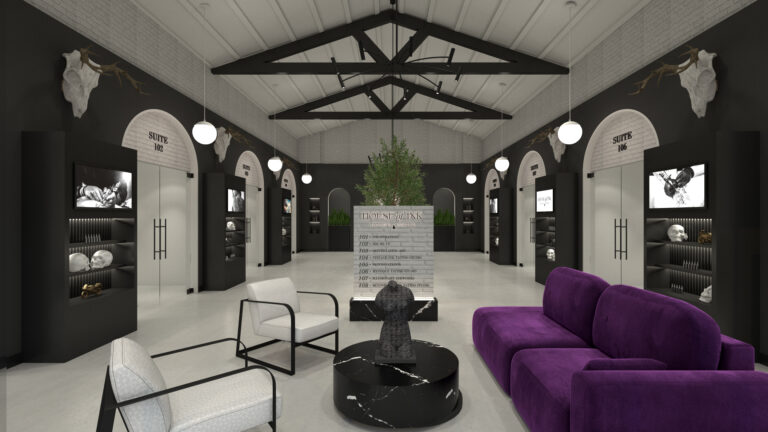
Starting a tattoo suite business in 2026 presents a strong opportunity for entrepreneurs who want to enter a growing and evolving segment of the body art industry. Unlike traditional tattoo parlors, modern clients are increasingly drawn to private, curated environments where they can enjoy a more comfortable and personalized experience. This shift has made understanding the tattoo suite startup cost more important than ever, as proper planning directly impacts profitability and long-term success. Many new business owners are also exploring streamlined entry options through platforms like House of Salons Franchising, which provide structured systems, reducing the complexity of starting from scratch while still allowing room for customization and growth.
The rise of tattoo suites is closely tied to broader changes in the beauty and wellness industry. Today’s customers expect higher standards of hygiene, privacy, and individualized service. At the same time, tattoo artists are moving toward independent business models that give them greater control over pricing, branding, and scheduling. This dual demand has created a unique ecosystem where suite-based setups benefit both parties. For operators, it means steady rental income and lower staffing responsibilities. For artists, it offers autonomy without the burden of owning a full studio.
As a result, more investors and entrepreneurs are choosing to invest in tattoo suites rather than traditional shop formats. If you are considering this path, exploring structured options like a tattoo suite rental investment can help you avoid common startup challenges. These models often provide pre-designed layouts, operational guidance, and marketing support, allowing you to focus on scaling your business rather than navigating every detail alone.
What Drives Tattoo Suite Startup Costs?
The cost of launching a tattoo suite business depends largely on your location, the size of your space, and how much customization you want. A smaller setup in a suburban area may cost significantly less than a premium build-out in a high-traffic urban location. Most businesses fall within a broad range, but the key is understanding where your money goes and how each expense contributes to your long-term success.
Average Tattoo Suite Startup Overview in 2026
When planning your business, the tattoo suite startup cost will vary based on several important factors such as location, design quality, number of suites, and overall branding strategy. While many guides focus heavily on numbers, it’s equally important to understand how each investment area contributes to your business success.
Instead of focusing only on figures, think of your startup budget as a combination of key categories that shape your studio’s functionality and appeal. These include securing your space, building out the suites, equipping them for professional use, handling legal requirements, and promoting your brand effectively.
Here’s a simplified overview of the main expense categories involved:
| Expense Category | Purpose |
| Lease & Deposits | Secures your business location and initial occupancy |
| Build-Out | Converts the space into compliant, functional tattoo suites |
| Equipment & Furniture | Provides essential tools and furnishings for artists |
| Licenses & Insurance | Ensures legal compliance and protects your business |
| Marketing | Builds awareness and attracts artists and clients |
| Miscellaneous | Covers unexpected or flexible startup needs |
Key Cost Areas Explained
The largest portion of your budget typically goes toward securing and preparing your location. Leasing a commercial space requires upfront deposits, and transforming it into a compliant tattoo environment involves construction, plumbing adjustments, and sanitation upgrades.
Equipment is another important investment. Even if artists bring their own tools, providing high-quality furniture and essential infrastructure makes your suites more appealing and justifies higher rental rates.
Licensing and compliance costs are unavoidable but essential. Regulations ensure safety and professionalism, and meeting these standards builds trust with both clients and artists.
Marketing and Visibility
No matter how well-designed your tattoo suites are, success depends on attracting the right artists and clients. Branding, digital presence, and local promotion all play a role in establishing your business. If you choose a supported model like a tattoo franchise, some of these efforts may already be handled, which can reduce both cost and complexity.
Ongoing Costs and Revenue Potential
Once your business is up and running, you’ll have recurring expenses such as utilities, maintenance, and administrative tools. However, the suite rental model offers predictable income. Renting multiple suites to independent artists creates steady monthly revenue without the need for traditional payroll management.
A well-occupied space can generate consistent earnings, and as your reputation grows, you can gradually increase rental rates or expand your number of suites.
Is Tattoo Suite Rental Investment Worth It?
For many entrepreneurs, the answer is yes. A tattoo suite rental investment combines relatively low operational complexity with scalable income potential. Instead of managing employees, you focus on maintaining a professional environment and building relationships with artists.
The key advantage is stability. With long-term tenants, your revenue becomes more predictable, making it easier to plan growth and manage expenses.
Conclusion
The tattoo suite startup cost may seem significant at first, but it reflects the long-term potential of a modern, in-demand business model. With careful planning, the right location, and a strong value proposition for artists, you can build a profitable venture that grows steadily over time.
Success in this space comes down to balancing upfront investment with smart operational decisions. Whether you’re starting independently or exploring guided opportunities, the tattoo suite model offers a compelling path into the beauty and body art industry.
Plan Your Tattoo Studio Like a Pro access the Complete 2026 Startup Cost Checklist Now and get expert guidance before you invest.”
Frequently Asked Questions:
- How much does it cost to start a tattoo suite in 2026?
Most businesses require between $80,000 and $250,000 depending on size and location. - Is it better to start small or go big?
Starting with fewer suites can reduce risk, with the option to expand later as demand grows. - Do I need experience in the tattoo industry?
Not necessarily, but understanding regulations and artist needs is important. - How do tattoo suite owners make money?
Revenue comes primarily from renting private suites to independent tattoo artists. - What makes tattoo suites different from traditional shops?
They offer private, customizable spaces rather than a shared, open environment.